
Zanzibar Travel Guide: Stone Town, Beaches, Culture and What to Know

Updated: Aug 20

Zanzibar is one of those places that genuinely lives up to the photos. The sand really is that white, the water really is that clear and the sunsets are as good as everyone says.
But Zanzibar is not just a beach holiday.
You have the winding streets and history of Stone Town, tropical forests filled with red colobus monkeys, colourful coral reefs, local villages, spice farms, sea turtles, dolphins and some of the best beaches in East Africa. It feels relaxed and easy going, but there is still plenty to see and do.
This Zanzibar travel guide covers everything you need to know before visiting, including the best time to visit Zanzibar, the best beaches, safety, costs, local culture, food, transport, packing and the top things to do.
We will also explain what Zanzibar is really like for solo travellers and how joining a Zanzibar group tour can make exploring the island much easier.
Why Visit Zanzibar?
Most people first notice Zanzibar because of the beaches, and that is completely understandable. The island has soft white sand, warm Indian Ocean water and long stretches of coastline where you can properly switch off.
What makes Zanzibar special is everything beyond the beach.
You can spend a morning exploring Stone Town, walk through a tropical forest in search of rare red colobus monkeys, visit a local spice farm and finish the day watching the sunset with a cocktail by the sea.
There are also brilliant opportunities for snorkelling, boat trips, swimming and discovering Zanzibar’s marine life. The northern beaches around Nungwi and Kendwa are known for clear water and beautiful sunsets, while the east coast around Paje and Jambiani has a more relaxed feel, wide beaches and strong local character.
Zanzibar works especially well for travellers who want a mixture of culture, nature, adventure and downtime. You are not spending every day lying beside a hotel pool, but you are not rushing between activities from morning until night either.
That balance is exactly why Zanzibar fits Indy Escapes so well.
Where Is Zanzibar?

Zanzibar is a group of islands in the Indian Ocean, just off the east coast of Tanzania.
The main island is officially called Unguja, although almost everyone simply calls it Zanzibar. This is where you will find Stone Town, the main airport and most of the island’s best known beaches and attractions.
Zanzibar is part of Tanzania but has its own distinct identity, history and culture. The island has been influenced by African, Arab, Persian, Indian and European communities over many centuries, and you can see that mixture in its buildings, food, language and traditions.
Most international visitors fly directly into Zanzibar or connect through mainland Tanzania. It is also possible to travel by ferry from Dar es Salaam.
The island is not enormous, but journeys can take longer than expected. Roads can be busy and many of the main attractions are spread across different parts of Zanzibar. This is one reason a planned Zanzibar itinerary or small group tour can be much easier than trying to organise every transfer yourself.
Best Time to Visit Zanzibar
The best time to visit Zanzibar is generally during the dry season from June to October. These months usually bring pleasant temperatures, lower humidity and less rainfall, making them ideal for beaches, boat trips, snorkelling and exploring the island.
January and February can also be excellent. These months are normally hotter, with plenty of sunshine and warm sea temperatures.
The main rainy season usually falls around April and May. Rain can be heavier during this period, some roads become more difficult and a small number of hotels or tour businesses may temporarily close.
November and December normally bring shorter periods of rain. This does not necessarily mean constant bad weather. You may get a heavy shower followed by sunshine, but conditions are less predictable than during the main dry season.
For most first time visitors, we would choose June to October. It offers the best overall balance for sightseeing, beaches and outdoor experiences.
October is particularly good if you want warm weather while avoiding the busiest part of the European summer holidays.
Is Zanzibar Good for Solo Travellers?

Yes, Zanzibar can be an amazing destination for solo travellers.
The island is friendly, relaxed and full of experiences that are easy to enjoy as part of a group. You can explore Stone Town, visit Jozani Forest, join boat trips, go snorkelling and spend time on some incredible beaches without needing to build the entire trip around nightlife.
The main challenge with solo travel in Zanzibar is not finding things to do. It is organising transport, choosing reliable activities and avoiding spending the whole trip alone at a beach resort.
Taxis and private transfers can also become expensive when you are paying for them by yourself. Some of the best places to visit are spread across different parts of the island, so planning the route properly makes a big difference.
A Zanzibar group tour for solo travellers gives you people to share the experience with while taking care of the hotels, transport and main activities. You still get time to relax and do your own thing, but you are not left trying to organise everything alone.
Many Indy Escapes guests join without knowing anyone. By the end of the first day, the group normally feels far less like a collection of strangers and much more like friends travelling together.
Best Things to Do in Zanzibar

Zanzibar has far more going on than most people expect.
Yes, the beaches are a huge part of the appeal, but the best Zanzibar itinerary should include a proper mix of culture, wildlife, ocean experiences and time to relax.
Stone Town is the obvious place to start. It is busy, colourful and full of history, with narrow streets, old buildings, local markets and rooftop restaurants. Away from the city, Jozani Forest gives you the chance to see Zanzibar red colobus monkeys, while the coast offers snorkelling, boat trips, sea turtle experiences and some genuinely beautiful beaches.
A spice farm is also worth visiting. Zanzibar is often called the Spice Island, and the experience is much more interesting than it sounds. You will see, smell and taste things like cloves, cinnamon, vanilla, nutmeg and tropical fruits while learning how they are grown.
Other popular things to do in Zanzibar include visiting Prison Island, exploring local villages, watching the sunset from a traditional dhow boat and spending a day around Nungwi, Kendwa, Paje or Jambiani.
The island works best when you do not try to cram everything into two or three days. Give yourself enough time to explore properly, then enjoy the slower side of Zanzibar too.
Exploring Stone Town

Stone Town is the historic heart of Zanzibar and completely different from the beach resorts found around the rest of the island.
The old town is a maze of narrow streets, carved wooden doors, small shops, mosques, markets and historic buildings. You will almost definitely get slightly lost, but that is part of the experience.
A guided Stone Town tour is worth doing because many of the most interesting stories are easy to miss when you are walking around alone. Zanzibar has a complicated history shaped by African, Arab, Indian and European influences, along with the spice trade and the East African slave trade.
Important places include the Old Fort, the former slave market, the Anglican Cathedral and the waterfront around Forodhani Gardens.
In the evening, Forodhani Gardens fills with local food stalls selling grilled seafood, Zanzibar pizza, sugar cane juice and other snacks. It is lively and worth seeing, although we would always recommend checking prices before ordering.
Stone Town can feel hot, busy and slightly chaotic compared with the beaches. That contrast is exactly why it deserves a place in any Zanzibar travel guide.
Jozani Forest and the Red Colobus Monkeys

Jozani Forest is Zanzibar’s best known nature reserve and the main place to see the island’s red colobus monkeys.
These monkeys are only found in Zanzibar, which makes seeing them one of the most unique wildlife experiences on the island. They often sit surprisingly close to the walking trails, jumping through the trees or relaxing in the branches above you.
You should never touch or feed them, even if they come close. They are wild animals and the experience is much better when people give them space.
A visit normally includes a guided walk through the forest and nearby mangrove areas. It is not a difficult hike, so it works well for most travellers and does not take up the whole day.
Jozani Forest is easy to combine with other places on the south or east of Zanzibar, including Paje, Jambiani or a local village visit.
It is one of the best things to do in Zanzibar if you want a break from beaches and boat trips. The forest shows a greener, quieter side of the island that many visitors never expect.
Sea Turtle Experiences in Zanzibar
Sea turtles are one of Zanzibar’s biggest attractions, especially around the north of the island.
Several centres around Nungwi care for turtles that have been injured, caught accidentally by fishermen or found in unsafe conditions. Some experiences allow visitors to swim near the turtles or watch them being fed.
It is important to choose carefully.
Not every place that uses words like rescue, conservation or sanctuary operates to the same standard. Before visiting, check how the turtles are kept, why they are there and whether the centre has a genuine rehabilitation or release programme.
A good experience should put the welfare of the animals before visitor photos.
Sea turtles can also be seen naturally while snorkelling or diving around Zanzibar, although sightings are never guaranteed. Seeing one swimming freely in the ocean is always the best experience.
For our Zanzibar group tours, we prefer experiences that are responsible, well managed and honest about their conservation work. Wildlife should never be handled or stressed simply to create a good picture.
Dolphins in Zanzibar

Dolphin trips are popular in Zanzibar, particularly around Kizimkazi in the south.
Seeing dolphins in the wild can be incredible, especially when they appear beside the boat in open water. However, the quality of dolphin tours varies massively.
Some trips involve several boats chasing the same group of dolphins, getting too close or encouraging guests to jump into the water directly in front of them. That is stressful for the animals and normally creates a chaotic experience for visitors too.
Look for a responsible operator that limits group numbers, keeps a sensible distance and allows the dolphins to control the encounter. Dolphins are wild animals, so no tour should promise that you will definitely swim with them.
Earlier departures are often better because the sea can be calmer and there may be fewer boats around.
A responsible Zanzibar dolphin tour should feel like watching wildlife in its natural environment, not chasing it for a photo. When it is done properly, it can still be one of the most memorable ocean experiences on the island.
Best Beaches in Zanzibar

Zanzibar has no shortage of beautiful beaches, but they are not all the same.
The north of the island is best known for calm water, swimming and sunsets. Nungwi and Kendwa are the most popular choices, with plenty of restaurants, beach bars and places to stay.
The east coast feels more open and relaxed. Paje and Jambiani have huge stretches of white sand, turquoise water and a stronger local feel. The tides are much more noticeable here, so the sea can pull a long way back during low tide.
That is not necessarily a bad thing. Low tide creates huge sandbanks and makes the coastline look completely different throughout the day. It just means the east coast is not always ideal for swimming whenever you feel like it.
For a first Zanzibar trip, we like combining different parts of the island rather than staying in one beach resort for the entire holiday. A few nights in the north or east, along with time in Stone Town, gives you a much better feel for Zanzibar.
The best beach in Zanzibar depends on what you want. Choose Nungwi or Kendwa for easier swimming and sunsets. Choose Paje or Jambiani for space, scenery and a more relaxed atmosphere.
Nungwi and Kendwa

Nungwi and Kendwa are two of the best known beach areas in Zanzibar, located close to each other on the northern coast.
Nungwi is the busier of the two. It has a lively beachfront, lots of restaurants, boat trips, souvenir shops and a good choice of hotels. It is a strong option for travellers who want beautiful beaches without feeling completely cut off.
Kendwa is slightly quieter and more spread out. The beach is wide, the water is normally good for swimming and the sunsets are some of the best on the island.
One of the biggest advantages of northern Zanzibar is that the tides have less impact on swimming than they do on the east coast. You can usually get into the water throughout more of the day.
Both areas can become busy, particularly around sunset and during popular travel months. They are not untouched secret beaches, but they are popular for a reason.
For Indy Escapes, the north works well because guests can relax, swim, enjoy dinner together and have a few drinks without the area feeling like a full party destination.
Paje and Jambiani

Paje and Jambiani sit along Zanzibar’s east coast and offer a very different experience from the north.
Paje is known for its long beach, laid back cafés and kitesurfing. It attracts a younger crowd, but it still feels much more relaxed than a typical party destination.
Jambiani is quieter and has a stronger village atmosphere. You will see local fishing boats, seaweed farms and everyday life happening alongside the beach.
The tides are a major part of the east coast experience. At low tide, the water can move far away from the shore, revealing sandbanks and shallow lagoons. At high tide, the coastline changes completely.
Swimming is not always possible at every hour, but the scenery is incredible and there is plenty of space to walk, relax or stop at a beach café.
Paje is better if you want more restaurants, activities and social energy. Jambiani is better if you want somewhere peaceful and less developed.
Both are excellent choices for travellers who want to see more than the resort side of Zanzibar.
Snorkelling and Mnemba Island
Snorkelling is one of the most popular things to do in Zanzibar, and the waters around Mnemba are among the best known places to try it.
Mnemba itself is a privately owned island, so most visitors do not actually land there. When people talk about a Mnemba Island tour, they usually mean a boat trip to the surrounding reef and snorkelling areas.
On a good day, you can see colourful fish, coral and other marine life in clear, warm water. Sea turtles and dolphins are sometimes spotted too, but wildlife sightings should never be guaranteed.
Conditions depend on the weather, tides and time of year. Some days are much clearer than others, so it is worth choosing a reliable operator rather than simply booking the cheapest boat available.
A good snorkelling trip should provide proper equipment, life jackets, drinking water and a clear safety briefing. Smaller groups usually create a better experience, especially at popular sites.
You do not need to be an experienced swimmer, but you should always tell the guide if you are nervous in deep water.
For many visitors, a Zanzibar snorkelling trip is one of the highlights of the island.
What to Eat and Drink in Zanzibar

Zanzibar food reflects the island’s mix of African, Arab, Indian and coastal influences.
Expect plenty of rice, spices, grilled meat, fresh fruit, curries and seafood. Fish, octopus, prawns and lobster appear on menus across the island, especially in beach areas.
One of the most famous local dishes is Zanzibar pizza. It is not really pizza in the usual sense. It is more like a filled flatbread cooked on a hot plate, with sweet or savoury fillings.
Pilau and biryani are also common, along with coconut based curries and grilled skewers. Fresh mango, pineapple, watermelon and passion fruit are easy to find and normally far better than anything you get back home.
For drinks, try fresh sugar cane juice, spiced tea and local coffee. Tanzania also produces several beers, including Kilimanjaro, Safari and Serengeti.
Alcohol is available in tourist hotels, beach bars and many restaurants, but Zanzibar is a mainly Muslim destination. Drinking is best kept to licensed venues, and visitors should be respectful when away from tourist areas.
A seafood dinner by the beach with a cold drink is hard to beat, especially after a full day exploring the island.
Is Zanzibar Safe?
Zanzibar is generally a safe destination for tourists, including solo travellers, but normal travel common sense still matters.
The main tourist areas are used to international visitors, and most people experience no serious problems. Petty theft can happen, especially in busy parts of Stone Town, markets and crowded public areas, so keep phones, wallets and passports secure.
Avoid walking alone on quiet beaches late at night, especially after drinking. Use trusted taxis or pre arranged transfers and ask your hotel or tour leader for local advice.
You may also meet people selling tours, souvenirs or transport along the beach. Most are friendly, but some can be persistent. A polite but firm no is normally enough.
Zanzibar is a mainly Muslim destination, so visitors should respect local customs. Beachwear is completely normal at hotels and beaches, but more modest clothing is better in Stone Town, villages and other local areas.
For solo female travellers, Zanzibar can feel comfortable, especially when staying in busy areas or travelling with a group. As anywhere, unwanted attention can happen, so avoid isolated places and trust your instincts.
A well planned Zanzibar group tour removes many of the common concerns because transport, activities and accommodation are organised in advance.
Getting Around Zanzibar

Getting around Zanzibar is easy enough, but distances can be deceptive.
The island may not look huge on a map, yet travelling between Stone Town, Nungwi, Paje and Jozani Forest can take a couple of hours. Traffic, road conditions and village stops can all slow things down.
Private taxis are the easiest option for most visitors. They are comfortable and flexible, although the cost can add up quickly if you are travelling alone.
Local minibuses, known as dala dalas, are much cheaper but can be crowded, slow and confusing for first time visitors. They are better suited to experienced independent travellers who are not in a rush.
Hiring a scooter or car is possible, but we would not recommend it for everyone. Driving conditions can be unpredictable and visitors may need local permits.
For most people, pre arranged transport is the simplest choice. A well planned Zanzibar itinerary should group activities by area rather than sending you backwards and forwards across the island every day.
This is another reason small group travel works well in Zanzibar. Guests can share transport costs while avoiding the stress of negotiating every journey separately.
How Much Does a Trip to Zanzibar Cost?
Zanzibar can suit different budgets, but it is not always as cheap as people expect.
Accommodation ranges from simple guesthouses to very expensive beach resorts. A clean mid range hotel with breakfast will usually cost more in Nungwi, Kendwa and popular parts of the east coast than in less touristy areas.
Food can be affordable if you eat locally, while beach hotels and international restaurants are usually more expensive. A local meal may only cost a few pounds or dollars, while a seafood dinner with drinks can cost much more.
Transport is one of the biggest hidden costs. Private taxis between different parts of the island can become expensive, particularly for solo travellers.
Boat trips, snorkelling, dolphin tours, turtle experiences and guided Stone Town tours all add to the total. Prices vary widely, so the cheapest option is not always the best, especially for wildlife or marine activities.
For spending money, it is sensible to budget for meals not included, drinks, tips, souvenirs and optional activities.
A Zanzibar group trip can offer better value because hotels, transport and major experiences are booked together. It also makes the final cost much easier to understand before you arrive.
What to Wear in Zanzibar

Zanzibar is warm throughout the year, so light and breathable clothing is essential.
At beaches, hotel pools and tourist resorts, normal swimwear is completely fine. Away from those areas, it is respectful to dress more modestly.
In Stone Town, local villages and markets, both men and women should avoid walking around in swimwear. Covering shoulders and knees is a good general rule, especially when visiting religious or cultural sites.
Loose trousers, long skirts, light shirts and dresses work well because they keep you cool while still being respectful.
Bring comfortable footwear for Stone Town because the streets are uneven and you will probably walk more than expected. Sandals are perfect for beach days, but trainers are useful for Jozani Forest or longer sightseeing days.
A light layer is also useful for evenings, boat trips and strong air conditioning.
Zanzibar is relaxed, so you do not need to dress formally. Most evenings involve casual clothes, good food and a drink somewhere near the beach.
Respecting local culture is simple and makes a big difference to how visitors are received.
What to Pack for Zanzibar
Packing for Zanzibar is fairly straightforward, but there are a few things worth remembering.
Bring lightweight clothes, swimwear, sandals, comfortable trainers and something modest for Stone Town and local villages.
Sun protection is essential. Pack high factor sunscreen, sunglasses and a hat because the sun can be very strong, even when it feels breezy.
A reusable water bottle is useful, although tap water should not normally be drunk. Use bottled or properly filtered water and check that ice is made from safe water.
Bring insect repellent, especially for evenings, along with any medication you normally use. Speak to a travel health professional before travelling for current advice on vaccinations and malaria precautions.
A small waterproof bag or dry pouch is useful for boat trips and beach days. A portable charger is also worth bringing because long activity days can drain your phone quickly.
Reef safe sunscreen is a better option for snorkelling and ocean activities.
You do not need to overpack. Zanzibar is casual, laundry is usually available and most of the trip will involve light clothes, beachwear and comfortable outfits for exploring.
Zanzibar Visa and Entry Requirements
Entry rules for Zanzibar depend on your nationality, so always check the latest official requirements before booking flights.
Many international visitors need a tourist visa to enter Tanzania, which also covers Zanzibar. This can often be arranged online before travelling, while some nationalities may be able to apply on arrival.
Your passport should normally have at least six months remaining from the date you arrive, along with a blank page for immigration stamps. You may also be asked to show proof of onward travel.
Visitors to Zanzibar must currently purchase the island’s mandatory inbound travel insurance, even if they already have separate international travel insurance. As rules can change, check the official Tanzania immigration and Zanzibar insurance websites shortly before departure.
It sounds more complicated than it is. Once the visa and insurance are sorted, arriving at Zanzibar Airport is normally straightforward.
Money, Cards and Tipping in Zanzibar

The local currency is the Tanzanian shilling, although US dollars are widely accepted by hotels and many tourism businesses.
It is still useful to carry local currency for markets, small shops, taxis, snacks and tips. Make sure any US dollar notes are clean and in good condition, as older or damaged notes may not be accepted.
Cards are accepted at many hotels and larger restaurants, but Zanzibar is not somewhere we would rely entirely on contactless payments. Machines can fail, internet connections can drop and smaller businesses may only take cash.
Cash machines are available in Stone Town and larger tourist areas, but they are less common in quieter parts of the island. Taking out money before travelling to a more remote beach area is sensible.
Tipping is appreciated in Zanzibar but should reflect the service you receive. Guests commonly tip local guides, drivers, hotel staff and boat crews. On an Indy Escapes group tour, your tour leader will explain suitable amounts and help organise group tips so you do not need to guess.
Zanzibar Culture and Local Customs
Zanzibar is relaxed and welcoming, but it is also a mainly Muslim destination with its own customs and traditions.
Beachwear is completely normal at hotels, pools and tourist beaches. In Stone Town, villages and local areas, covering your shoulders and knees is a respectful choice.
Public displays of affection should be kept fairly low key away from resorts. Alcohol is available in tourist hotels, restaurants and beach bars, but drinking openly in the street or around local communities is not appropriate.
During Ramadan, some local businesses may operate different hours and eating or drinking openly in public during daylight hours can feel disrespectful.
You will hear the phrase pole pole everywhere, meaning slowly slowly. It sums up the pace of life in Zanzibar perfectly. Things do not always happen at the exact speed you expect, and learning to relax into that is part of the experience.
A few words of Swahili also go a long way. Jambo means hello, asante means thank you and karibu means welcome.
Zanzibar Travel FAQs
How many days do you need in Zanzibar?
Around seven days is ideal for a first visit. It gives you enough time to explore Stone Town, see wildlife, enjoy an ocean experience and properly relax on the beaches without rushing.
Is Zanzibar expensive?
Zanzibar can be affordable, but private transport, organised activities and beachfront hotels can quickly increase the cost. Travelling as part of a group often gives better value.
Can you drink the tap water?
We would not recommend drinking tap water in Zanzibar. Use sealed bottled water or properly filtered drinking water.
Is Zanzibar suitable for solo female travellers?
Yes. Many women travel to Zanzibar alone and have a brilliant experience. Choosing reliable transport, avoiding isolated places at night and respecting local dress customs makes the trip easier. A small group tour also removes much of the planning and provides people to share the experience with.
Do you need malaria tablets for Zanzibar?
Malaria advice can change and depends on your personal health and wider travel plans. Speak to a qualified travel health professional before travelling rather than relying on general advice online.
What language is spoken in Zanzibar?
Swahili is the main local language, but English is widely spoken in hotels, restaurants and tourism businesses.
Is Zanzibar part of Tanzania?
Yes. Zanzibar is a semi autonomous part of Tanzania and has its own strong identity, culture and local government.
Can you combine Zanzibar with a safari?
Absolutely. Zanzibar is often combined with a safari in mainland Tanzania or nearby Kenya. The contrast between wildlife and tropical beaches makes it a popular combination.
Why Join a Zanzibar Group Tour?
Zanzibar is possible to explore independently, but joining a small group tour can make the whole experience much easier.
The island’s best places are spread across different areas, so transport can quickly become one of the most expensive and frustrating parts of the trip. Boat tours, wildlife experiences and private transfers also vary in quality, which makes choosing reliable operators important.
A Zanzibar group tour takes care of the main logistics while still giving you time to relax and explore independently. You get the benefit of organised transport, accommodation and activities without every hour of the trip being planned for you.
It is especially useful for solo travellers. Instead of arriving alone at a beach hotel and hoping to meet people, you begin the trip with a group who are there for the same reason.
Indy Escapes trips are social, but they are not backpacker party tours. Expect shared experiences, group dinners, relaxed evenings, a few cocktails and plenty of time to enjoy Zanzibar at your own pace.
For many people, that balance makes a small group tour the easiest and most enjoyable way to experience Zanzibar.
Explore Zanzibar With Indy Escapes
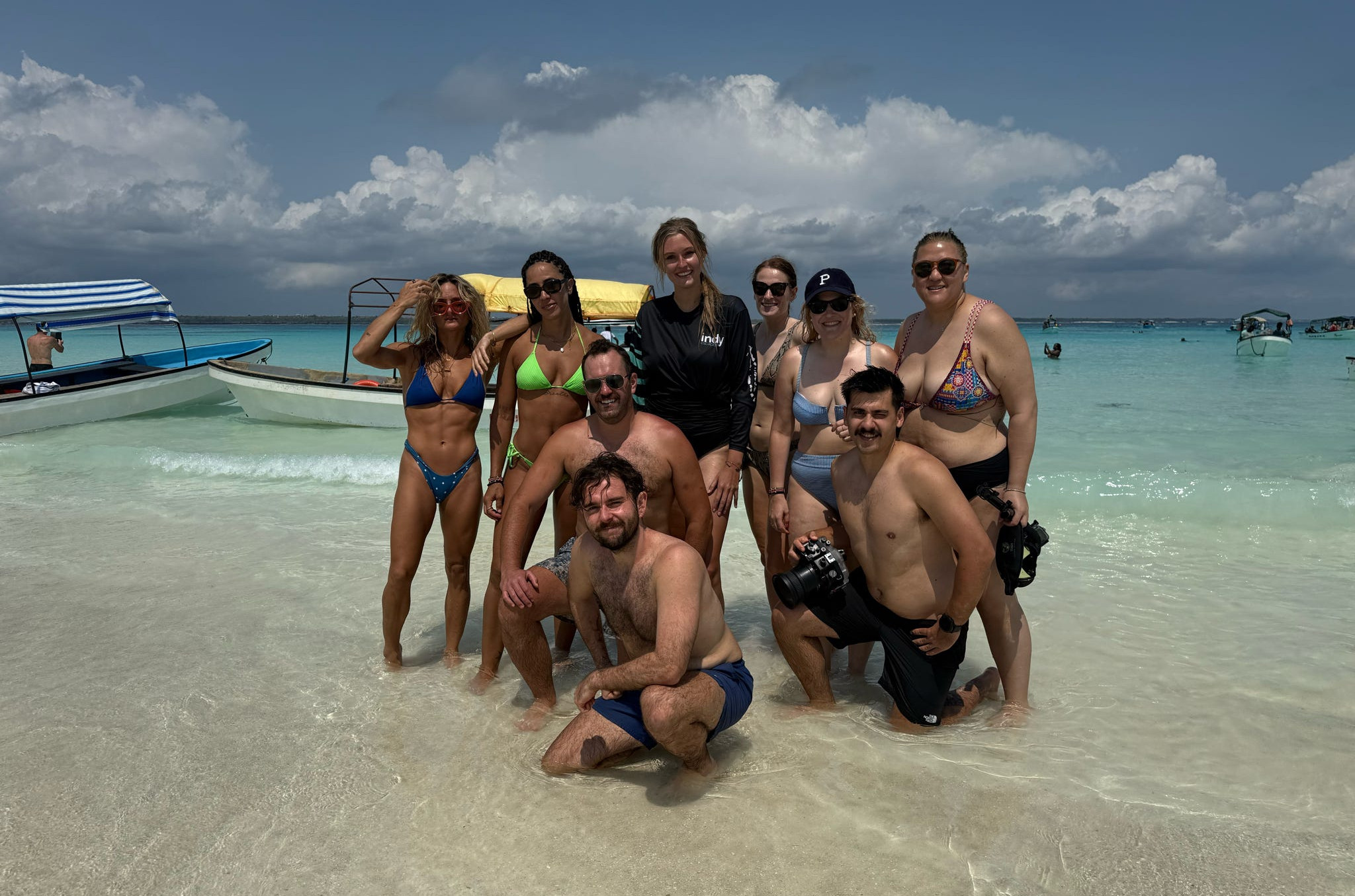
Our Zanzibar group tour is designed for solo travellers, couples and friends who want more than a standard beach holiday.
You will experience Zanzibar’s beaches, wildlife, culture and history while travelling with a friendly small group of like minded people. The main activities and transport are organised, but the trip still includes time to relax, explore independently or simply enjoy a drink by the ocean.
Expect a varied Zanzibar itinerary featuring experiences such as Stone Town, Jozani Forest, sea turtles, dolphins, beautiful beaches and local island life.
We stay in comfortable accommodation and focus on memorable experiences rather than expensive luxury resorts. The trip is not a backpacker tour, but it is also not overly formal or rushed.
Many of our guests travel solo and arrive without knowing anyone. That is completely normal. The group is usually made up of people in their twenties and thirties who love travel, want to experience somewhere new and are tired of waiting for friends to be available.
You can view the full itinerary, upcoming dates and everything included on our Zanzibar group tour for solo travellers and couples page.
Final Thoughts
Zanzibar is much more than white sand and turquoise water.
It is an island filled with history, wildlife, local culture, tropical forests, colourful food and some of the most beautiful coastline in East Africa.
A good Zanzibar trip should include the famous beaches, but it should also give you time to explore Stone Town, see the island’s red colobus monkeys, enjoy the ocean and understand a little more about local life.
Around one week is a great amount of time for a first visit. It allows you to experience the main highlights without turning the trip into a rushed checklist.
Whether you travel independently or join a Zanzibar group tour, plan the route carefully, choose responsible wildlife experiences and leave enough free time to enjoy the slower pace of the island.
Zanzibar has a way of making people relax very quickly. A few days in, you will understand exactly why everyone keeps saying pole pole.


Comments